Multifuel Stove With Back Boiler
A multifuel stove with back boilers can heat radiators as well as providing hot water to the home. This will save money on heating bills.
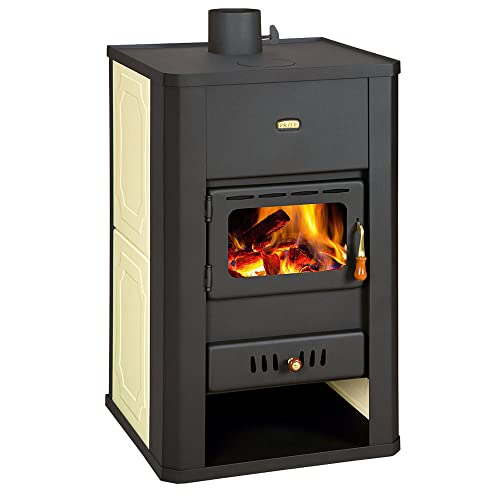 The addition of a wood-burning stove with a built-in back boiler to an existing central heating system is simple and can be accomplished by a qualified plumbing engineer. This article will explain the procedure.
Features
When a stove is equipped with a boiler that heats up, the heat generated by burning wood or other fuel is used to warm the water in a hot water cylinder as well as to warm rooms. A boiler stove is able to heat radiators throughout the home. We have a broad variety of multifuel stoves, including back boilers. All come with full manufacturer warranties.
A typical wood stove releases heat in one direction, when it is passing through the flue outlet of the firebox. A multifuel stove that has a back boiler will generate more energy because the heat is distributed in several directions in a more efficient way. This means that more heat is directed to the room and less heat is lost through an outlet for the flue.
Through the use of a pipe you can transfer the heat created by a multifuel woodburning fire place with an electric boiler to a different room. This can be used to heat a hot-water cylinder, radiators or even a nonpressurised shower. In most cases, a thermostat is installed to keep track of the temperature of the hot water tank and turn on the radiators’ pumps when this level is reached. This will prevent the hot-water cylinder from running out and ensure an ongoing supply of hot water for domestic use.
The CSB multifuel stove with a back boiler boasts an impressive output of 21 kw. It can be used to power a whole house via the central heating system or even a domestic hot water cylinder. The CSB is a highly versatile stove that burns all types of wood logs, coal, anthracite, briquettes and smokeless fuel. Alternatively it can be run as a separate wood burner and heated using the thermosyphon system. The CSB is compatible with both open and closed central heating systems (not compatible with pressured systems). The CSB includes a stainless steel neutraliser or thermal store.
Fuel type
The difference between a normal 8kw multi fuel stove fuel stove and a log burner that has a back boiler is that the latter comes with an integrated water tank that is able to heat domestic hot water sources and even radiators within your home. This feature makes boiler stoves a popular choice for environmentally-conscious homeowners who want to reduce their reliance on gas, oil or electricity.
Wraparound boiler stoves are the most popular type of multifuel stoves with back boilers. They feature a water tank running along the sides and the back of the firebox. The boiler portion of the stove is placed in a way that it fits the firebox. This maximizes heating efficiency and power output. Wraparound boiler stoves are available from a number of leading manufacturers that include Stratford Stoves and Hunter Stoves.
The clip-in boiler stove is another option. It has a water tank that replaces the firebricks at the rear of the firebox. These types of stoves aren’t able of producing large volumes of hot water, since the boiler tank is smaller surface area than a wraparound boiler stove.
You can put in a multifuel stove that has an back boiler within your system in a variety of ways but the most common way is to pipe it as an air-tight radiator into the vented heating system. This lets the boiler stove serve as an additional source of heating by turning on when your gas central heating comes on and boosting the temperature.
You can also put in wood-burning stoves with a back boiler by connecting it to a multi-coil hot tank or an accumulator of heat. In this case the stove will heat your hot water tank and then send it to your radiators via the thermostatic control valve. This is a more complicated installation and should only be done by a certified heating technician.
A multifuel stove that has a rear burner that is not properly installed can be dangerous. When the stove is in use, the water in the boiler can turn into steam. This can cause the system if it’s not correctly vented to explode.
Fuel supply
The heat generated by the stove’s combustion is transferred to a tank of water through a boiler unit that is located in the back of the stove. You can utilize the heat from your home to reduce carbon emissions and energy costs. It also makes the stove more efficient since it prevents heat escaping up the chimney. The system is generally called a wetback wood-burning stove or a back boiler stove.
Modern multifuel stoves with a back boiler feature hot water cylinders with the heating unit already built into the body of the appliance. The stove can be connected to the hot water system in your home to heat your taps and radiators. Some older boiler stoves may come with a separate hot-water cylinder, or they may have the boiler mounted into a removable box that can be fitted over the fire chamber.
This model features a huge firebox, which has a large glass window and an “advanced air wash system” to ensure an unobstructed view. The large stove also has both top and bottom (Primary and Secondary) air vents to enable simple but effective control over the burn rate and heat output. The chrome door handle as well as air controls add a chic appearance to the stove.
A thermostatic probe that is connected to the stove’s thermostat opens and closes an additional vent located at the rear of the stove whenever it needs extra air. This increases air flow through the heat exchanger which boosts the output of room temperature.
The models of the ‘Elegance B’ come with 4 water ports (2 x flow and 2 x return) located on the rear of the stove. These can be capped off when only one water heating circuit is required. These stoves can heat up to 10 average-sized radiators as well as the domestic hot water system if plumbed in correctly.
We offer a wide range of wood stoves with back boilers from the UK’s leading manufacturers. We also stock a large variety of boiler stove parts, thermal stores, pumps and spares for these models, and we are able to assist with any inquiries.
Installation
There are a variety of ways to connect a boiler stove to your central heating system. It is possible to connect it to a combi boiler by using a special adaptor or you can add a thermal storage to allow your wood-burning stove to supply the hot water system on its own (this requires an additional header tank that is located in the loft). It is also possible to give priority to the hot water by connecting the radiator loop and heat loss radiators to the boiler stove using injector tees, and feeding the hot water system via this. A thermopile thermostat could be used to control the pump inside the loop of radiators. This will ensure that the system runs only after the stove has heated the hot water tank.
It is possible to connect a wood stove that has back boiler to a heating system. It depends on your system and plumbing layout However, you can connect the boiler stove to many modern open vented systems with little disruption or expense. It is recommended to consult a HETAS qualified person, a local plumber or installer who is familiar with wet systems before installing a multifuel stove that has a back boiler.
A typical system would include a thermal store with an accumulator tank for hot water, and woodburners with a back boiler installed in the firebox. The back boiler water ports are used to connect the stove to the system. These ports are 1 inch BSP and can be easily adapted to the size of 22mm or 28mm pipes using compression fittings.
The thermal store is a huge tank that can hold an enormous amount of heat. It is also connected to the radiators and the stove via a system of pipes and tees. The radiator loop is controlled by a thermostatic switch that only allows heating to be turned on when the temperature of the hot water in the system is at 55 degrees C.
A very popular option is the CSB multi fuel wood burner with back boiler, this is an extremely robust stove that can power about 10 radiators in your home. It can burn a wide range of fuels including coal, logs as well as smokeless fuel, peat and. The CSB can also be used with a supplementary heat source like biomass or a log gasifier pellet boiler.